Your Diet Is Part of Your Treatment Plan
I tell every implant patient the same thing: "How you eat the next few weeks is just as important as the surgery itself." Your body needs specific nutrients to heal, and your new implants need protection while they integrate with your bone.
But I also know that getting clear, practical advice about what to actually eat can be frustrating. Most guides tell you to eat "soft foods" without explaining what that really means, or how your diet should evolve as you heal.
Here's the week-by-week breakdown I give my patients.
The First 24 Hours: Liquid Foundation
Your mouth is healing from surgery. Any chewing motion can disturb the surgical sites and potentially disrupt your implants. Stick to liquids only.
What to drink:
Avoid:
Pro tip: Prepare these in advance. The last thing you want is to feel hungry after surgery and realize you have no appropriate food in the house.
Week 1: Soft and Cool
Your goals: Protect the surgical sites while getting adequate nutrition for healing. Your mouth is still tender, and you may have some swelling.
Safe foods:
Nutrition focus: You need extra protein (aim for 80-100 grams daily) and vitamin C for tissue healing. Protein powder mixed into smoothies is an easy way to boost intake.
Still avoid:
Week 2: Gentle Progression
What's changing: Swelling is down, and your mouth is getting more comfortable. You can start introducing foods that require minimal chewing.
New additions:
How to test new foods: Start small. If a food causes any discomfort or feels like it might disturb your implants, stop eating it and try again in a few days.
Hydration is key: You should be drinking at least 64 ounces of water daily. Staying hydrated helps reduce swelling and supports healing.
Week 3-4: Building Back
Your implants are stabilizing. At this point, most patients have minimal tenderness and can handle a wider variety of foods.
Progressive foods:
Chewing technique: Chew away from your implant sites when possible. If you had multiple implants, use the side of your mouth that feels most comfortable.
Month 2-3: Almost Normal
Osseointegration is happening. Your implants are fusing with your jawbone, creating a strong foundation. You can eat most foods, but still need to be cautious with very hard or sticky items.
Nearly everything is back on the menu:
Foods to continue avoiding:
3+ Months: Full Integration
Your implants should feel completely stable. At your 3-month follow-up, I'll check osseointegration and clear you for a normal diet.
You can eat everything except:
Nutrition for Healing Success
Protein is crucial — your body uses it to build new tissue. Aim for a palm-sized serving at each meal.
Vitamin C supports collagen formation. Good sources: citrus fruits (after week 1), strawberries, bell peppers, broccoli.
Calcium and Vitamin D help with bone integration. Dairy products, leafy greens, and fatty fish are excellent sources.
Omega-3 fatty acids reduce inflammation. Salmon, walnuts, and flaxseed are great options.
Red Flags: When to Call
Contact our office immediately if you experience:
The Bottom Line
Your diet during recovery isn't about punishment — it's about giving your body the best chance to heal properly. Most patients are surprised how quickly they adapt to eating differently, and even more surprised how quickly they can return to normal foods.
Be patient with the process. Every week gets easier, and every week gets you closer to eating whatever you want for the rest of your life.
If you have questions about specific foods or your recovery isn't going as expected, don't hesitate to call. We're here to help you succeed.
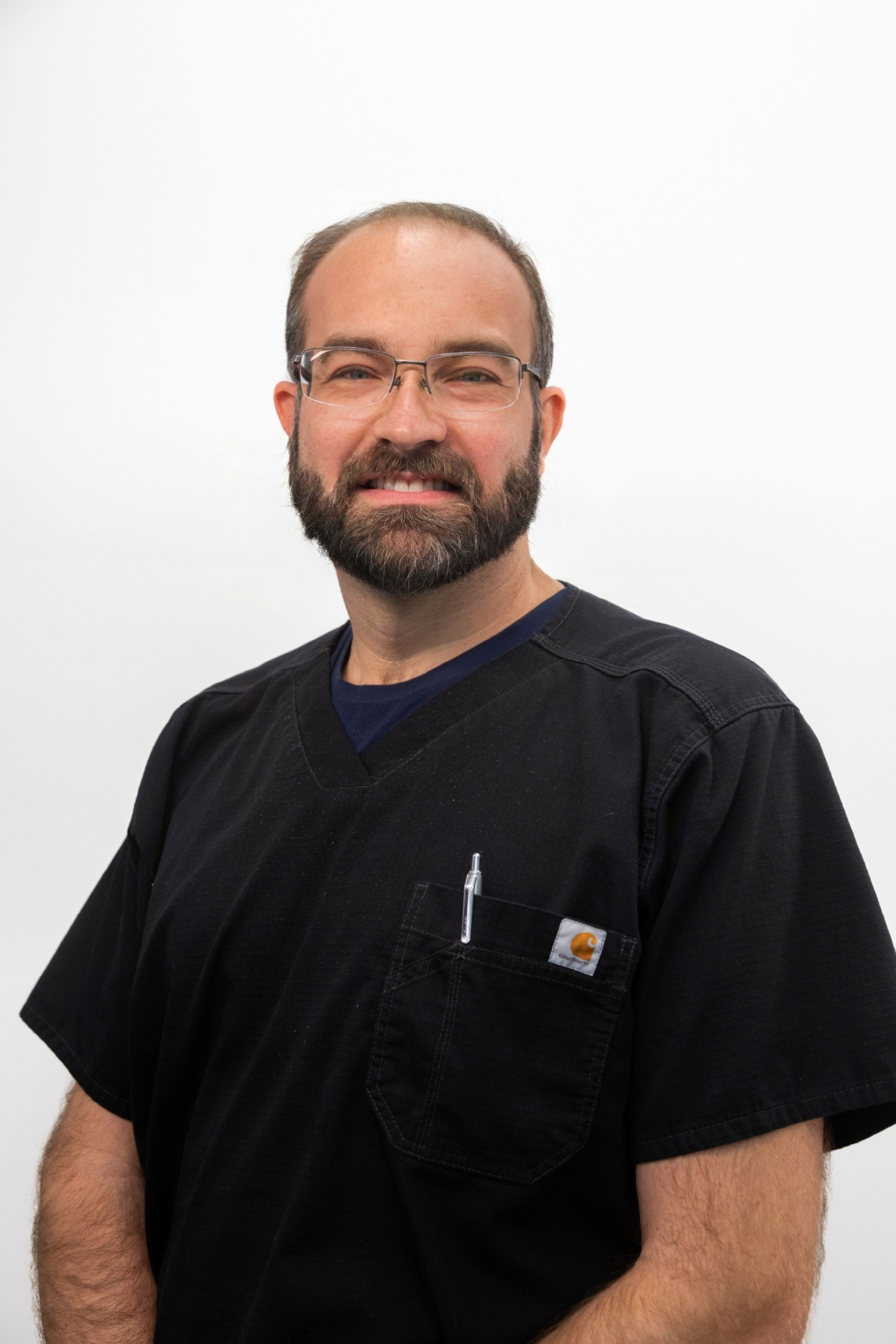
Written by
Dr. Steve MuellerDDS, Implant Expert · Broken Arrow, OK
Dr. Steve Mueller is a dentist specializing in implant dentistry. Schedule a free consultation to discuss your options.
Schedule with Mueller